If we don’t have certain foundations in place, more complex health intervensions will only have limited effects. In this series of articles, I’m covering some of these all important foundations, beginning in this article with breathing.
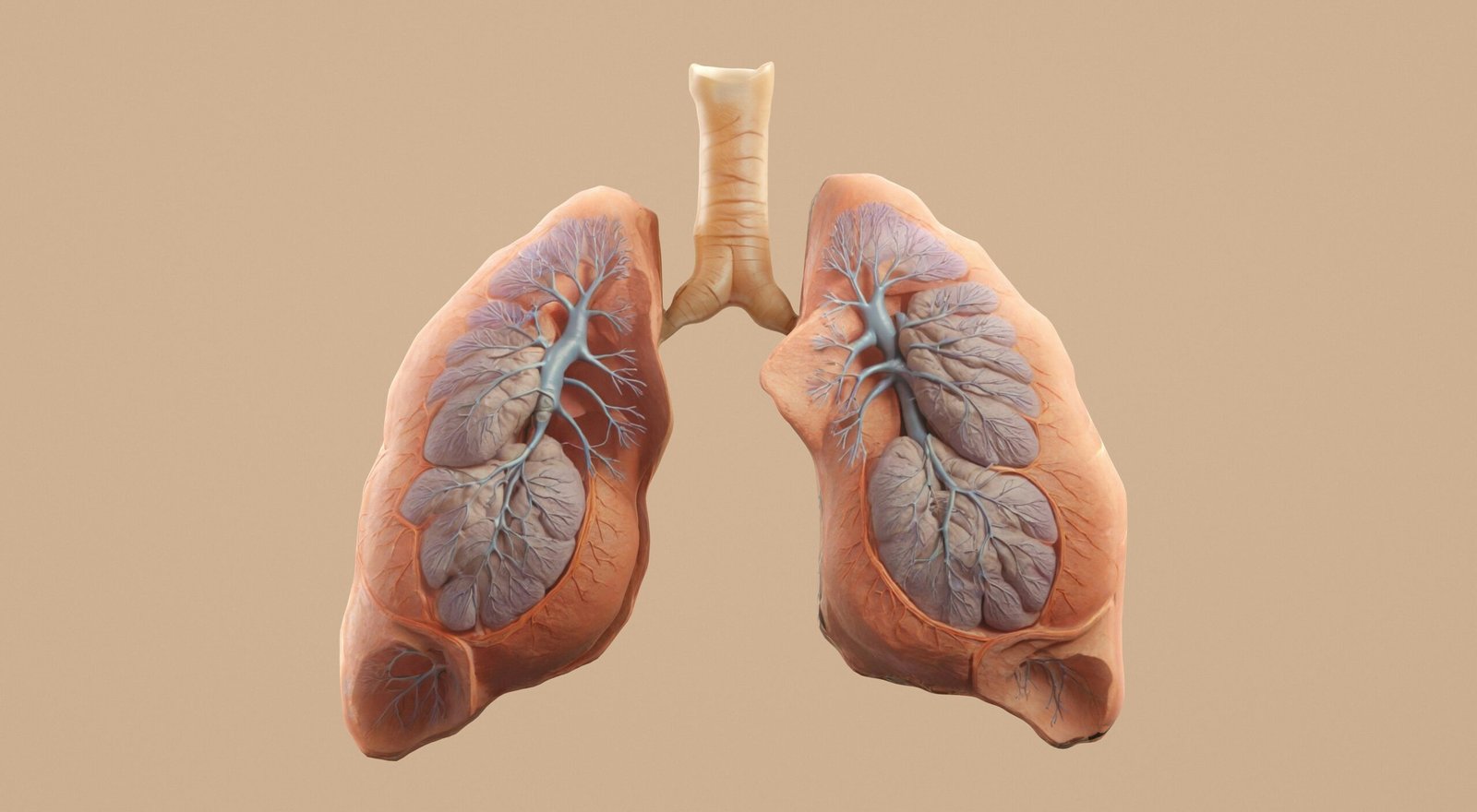
Breathing is the first foundation for health I want to write about because it’s probably what can influence our health the most. Why? It’s thought that we can live several weeks or months without food. Several days without water. But even the most well trained athletes can only live minutes without breathing. While there is a lot of attention on what we eat and even sometimes upon how and how much we drink, not many people are aware of their breathing and how it can affect health.
Since we breath so often, it really is fundamental to get this right. If our breathing is dysfunctional, the potential effect of nutrition and lifestyle changes is severely limited. So how should we breath?
Nasal Breathing vs Mouth Breathing
Most of us breathe through our mouths at least some of the time. Many wonder if it makes much difference. After all, our mouth is much bigger so it’s easier to breath through there right? In fact, the body was not designed for the mouth to be used for breathing. It should only be used in an emergency if the nostrils are completely blocked, but the more one breathes through the nose, the less likely this will happen.
Some of us aren’t even aware that we breathe through the mouth, especially if it happens at night.
Signs That You’re a Mouth Breather
- Thin lips;
- Narrow nostrils;
- Lots of tooth cavities;
- Crowded teeth;
- Dry mouth when waking up in the mornings;
- Waking in the night needing to use the toilet;
- Snoring or sleep apnea;
- Anxiety;
- and many more!
If you’re wondering how on earth breathing through the mouth could be related to all of these issues, you’re probably not alone. Too few people realise the importance of breathing through the nose. A whole book could be written about this alone, and many have, but below I’ll give a few of the benefits of nasal breathing.
Benefits of Nasal Breathing
- Good for stress and anxiety – activates the parasympathetic nervous system;
- Helps to alkalise the body, making it less likely to develop sickness;
- Warms, humidifies and cleans the air, making life easier for the lungs and reducing the toxins that enter the bloodstream;
- Increases production of nitric oxide, a powerful anti-coagulant, anti-microbial and helps to improve oxygen transfer in the lungs to the blood stream;
- Despite it feeling like a smaller volume of air enters your lungs if you breathe through your nose, the transfer of oxygen into the cells is increased by a complex mechanism involving carbon dixoide and gaseous exchange.
- Breathing through your nose uses less energy than mouth breathing, making it more efficient; and
- It’s far easier to breathe into the diaphragm when nasal breathing compared to mouth breathing, which results in more efficient breathing and many other benefits including
Using our diaphragm to breathe
Why is it important to breathe into the diaphragm? Sometimes knownas belly breathing, diaphragmatic breathing allows more of the lung capacity to be used. It also improves the exchange of oxygen and carbon dioxide through the Bohr effect.
Conclusion
So before you start thinking about changing your diet or taking expensive supplements, take a look at if you are breathing through your nose! For further resources, I recommend the book Breathe by James Nestor and the work of Buteyko Breathing and Oxygen Advantage.